Serving travelers and expats in Thailand since 2009
ThaiPrepaidCard.com has stopped selling directly, but we can vouch for these great services.
Digital eSIMs
Package Plans
Fixed data and validity
ThaieSIM.com — Thailand-only eSIMs. Fast checkout, low prices, instant delivery.
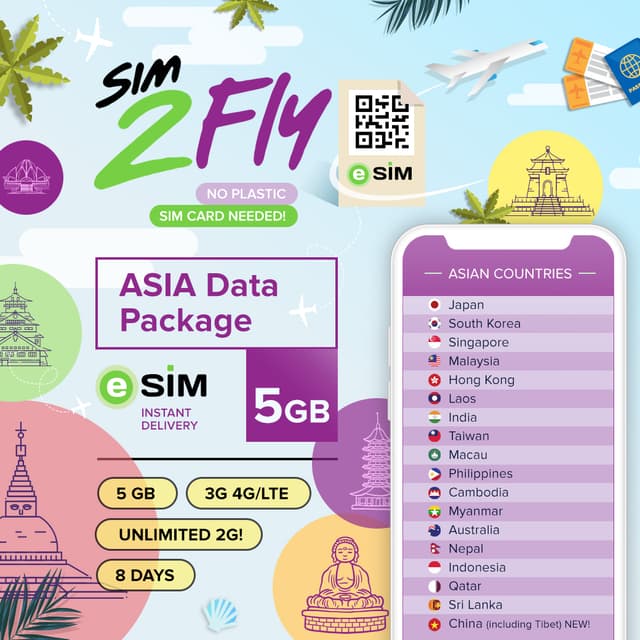
eSIM2Fly.com — Global, regional, and single-country eSIM plans covering 130+ countries.
Pay for Use Plans
Long term pay per GB.
Jetogo.com — Long term, credit doesn’t expire Global eSIM.
Mobile Top-Up & SIM Validity
Prepaid top-up credit for AIS, DTAC, and TrueMove — plus our popular 90-day SIM validity extension — are now at:
MobileTopup.comVoucher Codes
We no longer sell AIS or TrueMove voucher codes online. Physical voucher cards are still available on demand at some 7-Eleven locations in Thailand.
Popular Resources
Looking for the guides and information that used to be on this site? Here’s where to find what you need:
- Thai data plans (AIS, DTAC, TrueMove comparisons) — ThaieSIM.com
- SIM2Fly supported countries & roaming — eSIM2Fly.com
- Thai number format — MobileTopup.com
- Extending my validity — MobileTopup.com
- Call center phone numbers — MobileTopup.com
- Travel resources — ThingsToDoInThailand.com
Our Story: The Early Years
In 2009, Bryan was outside Thailand when his DTAC prepaid SIM was about to expire. There was no way to add credit remotely — no website, no international payment option. The carriers assumed you were in-country. If you didn’t top up before validity lapsed, you lost your number.
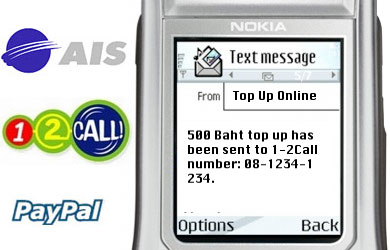
The workaround was physical. He bought stacks of prepaid scratch cards — AIS 1-2-Call, DTAC Happy, and True Move — from shops in Bangkok. Each card had a PIN under a silver strip. He scratched them, used dictation software to read the codes into text files, and listed them on e-junkie (later WooCommerce). A customer paid via PayPal, received a 16-digit code by email, and dialed it into their phone to add credit from anywhere in the world.
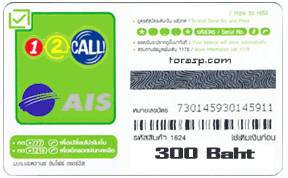
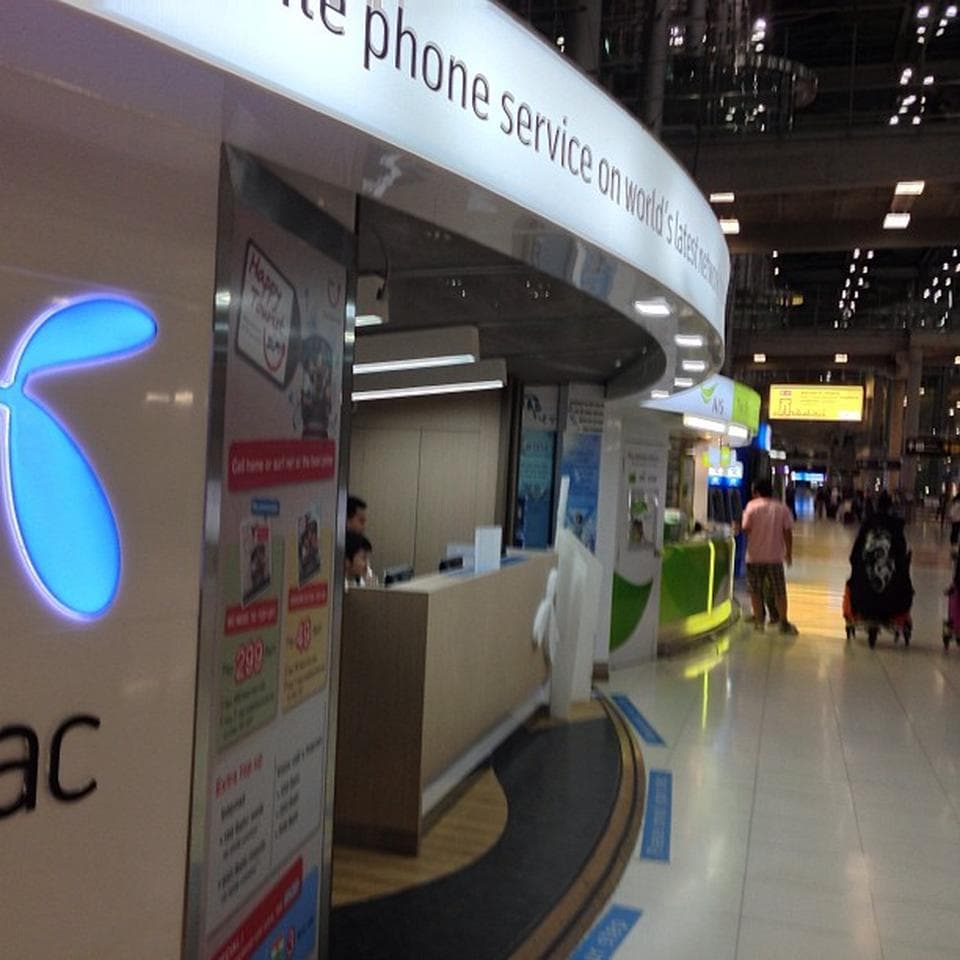
This became ThaiPrepaidCard.com, launched in July 2009. Thailand had three prepaid carriers — AIS, DTAC, and True Move — each with incompatible USSD codes, different data package structures, and Thai-language-only documentation. Tourists arriving at Suvarnabhumi faced a row of competing kiosks and no way to evaluate them.

The site became an English-language reference for Thai prepaid mobile. We documented the USSD keypress codes for all three networks — *101# for balance, roaming activation sequences, credit transfer shortcuts — and published comparison guides for 3G data plans, carrier FAQs, and step-by-step instructions for buying a Thai SIM card.
We also shipped physical SIM cards internationally ($9.99, worldwide) so travelers could arrive with a working Thai number.
Selling physical SIM cards was a constant logistical challenge. We would place bulk purchase orders directly from AIS or DTAC, negotiating volume discounts on hundreds of SIMs at a time. But every card came with an expiry date — typically about one year out — and the clock started ticking the moment they were manufactured, not when they were activated. Unsold inventory meant dead stock. Then there was the problem of actually getting the cards to customers, most of whom were abroad and needed them before arriving in Thailand. International shipping was slow, customs could hold packages, and cards sometimes arrived too late to be useful.
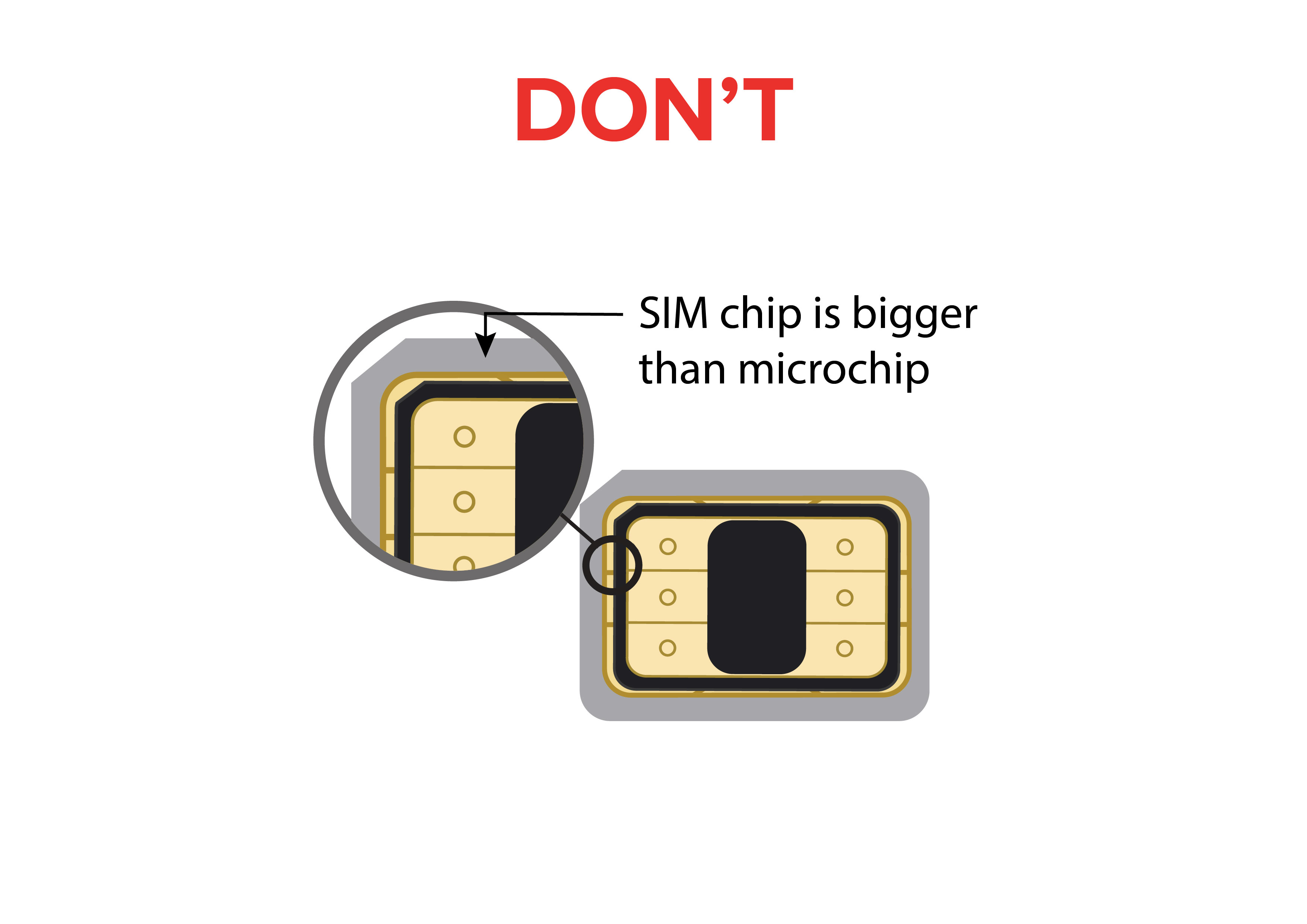
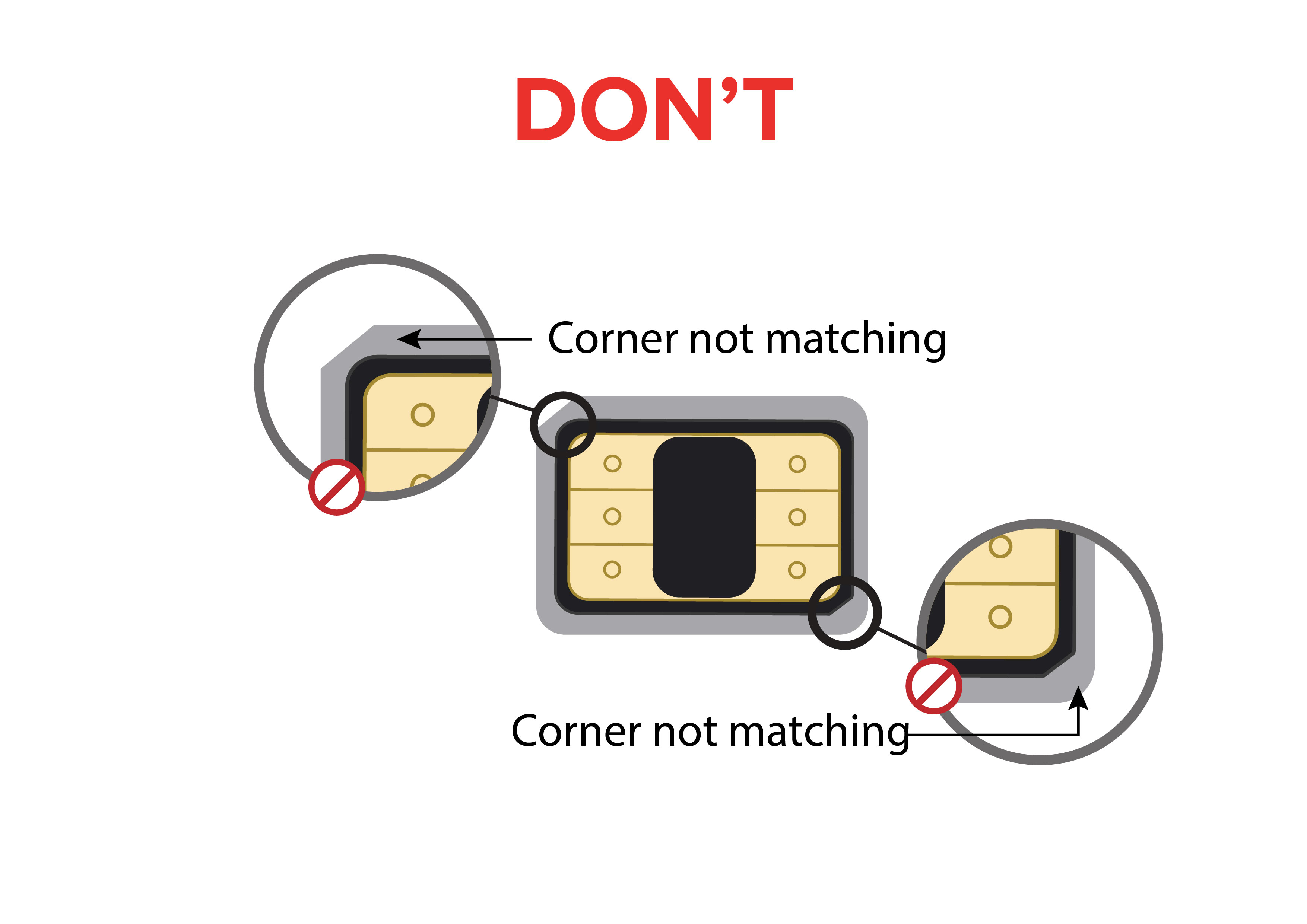
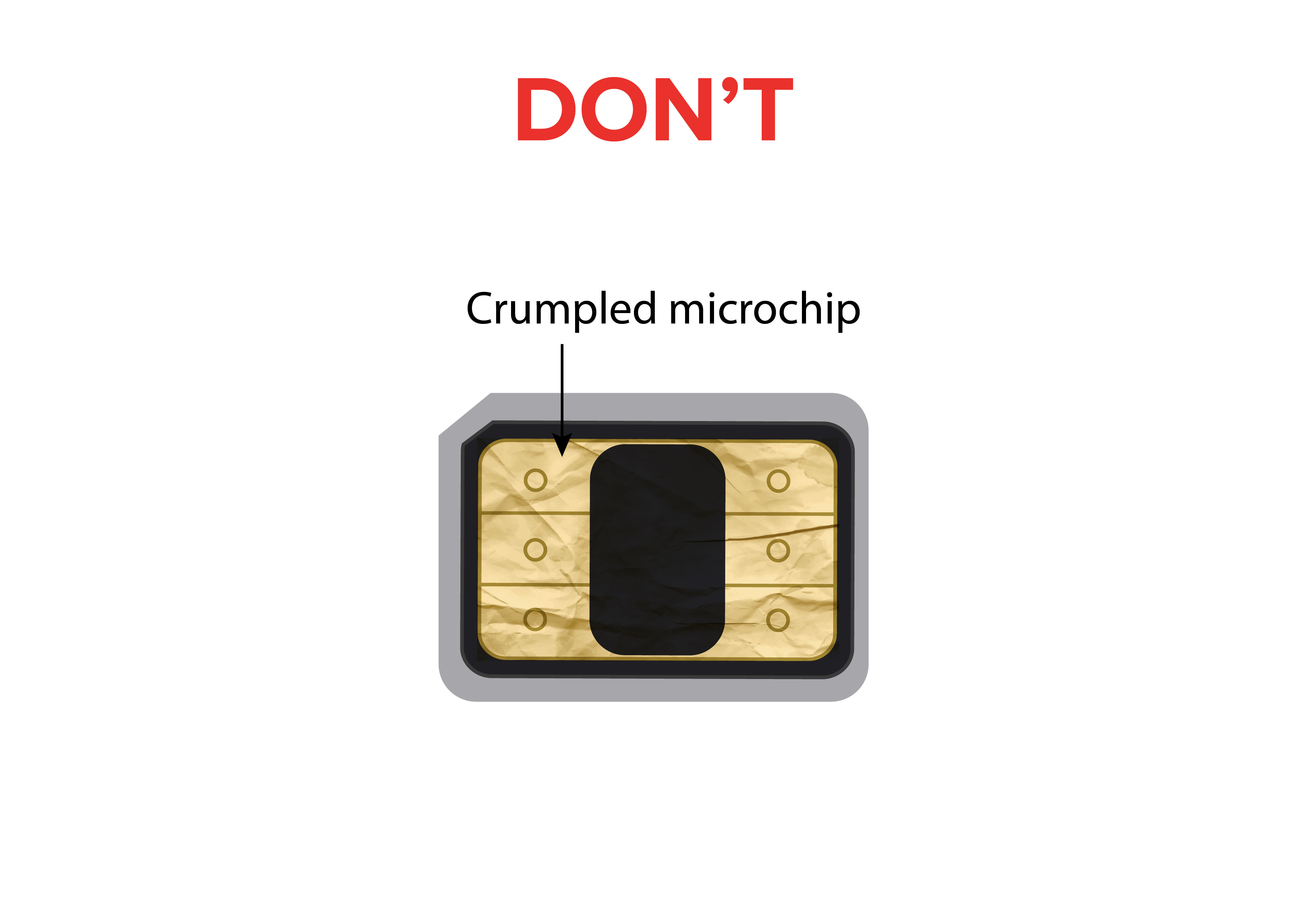
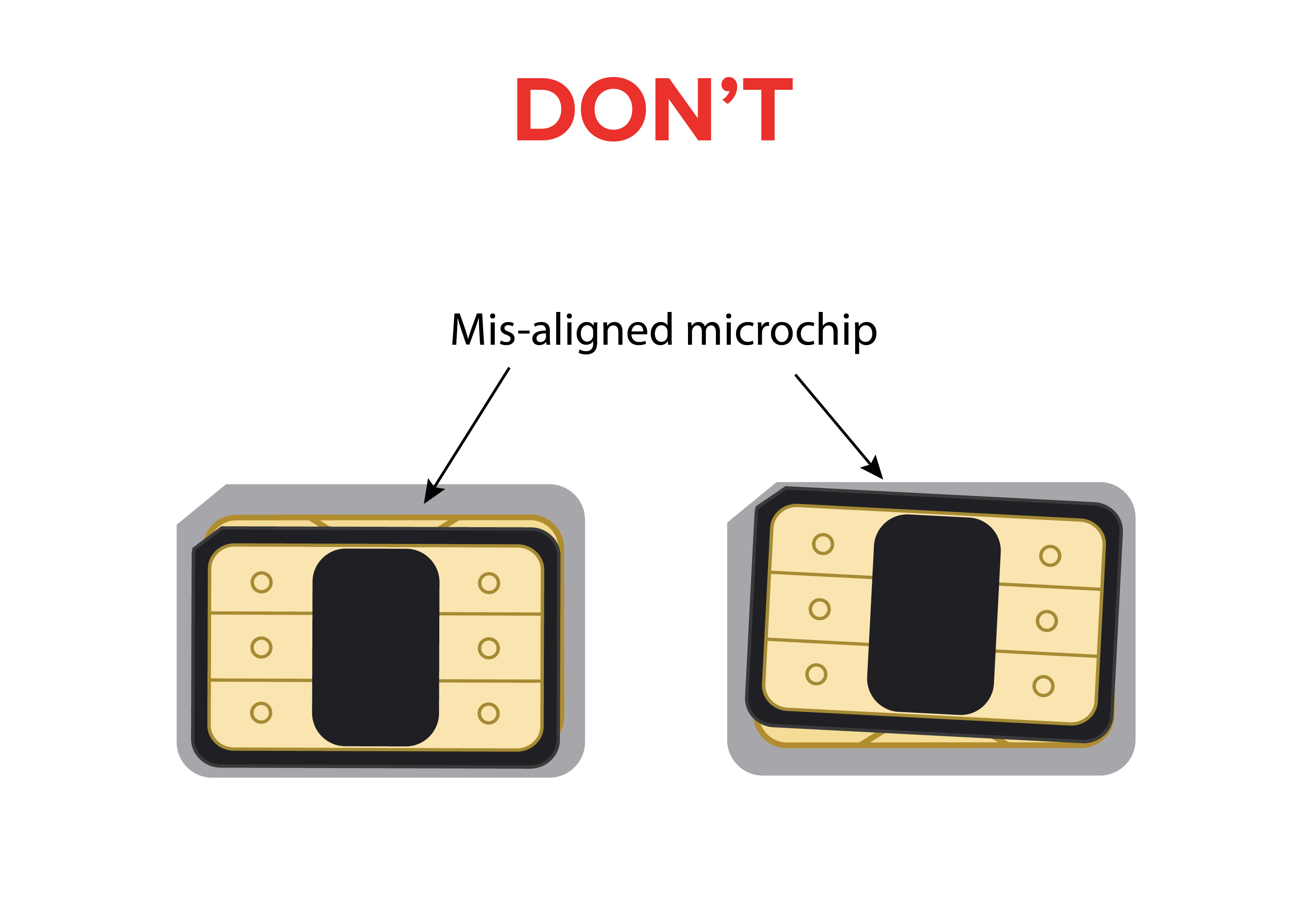
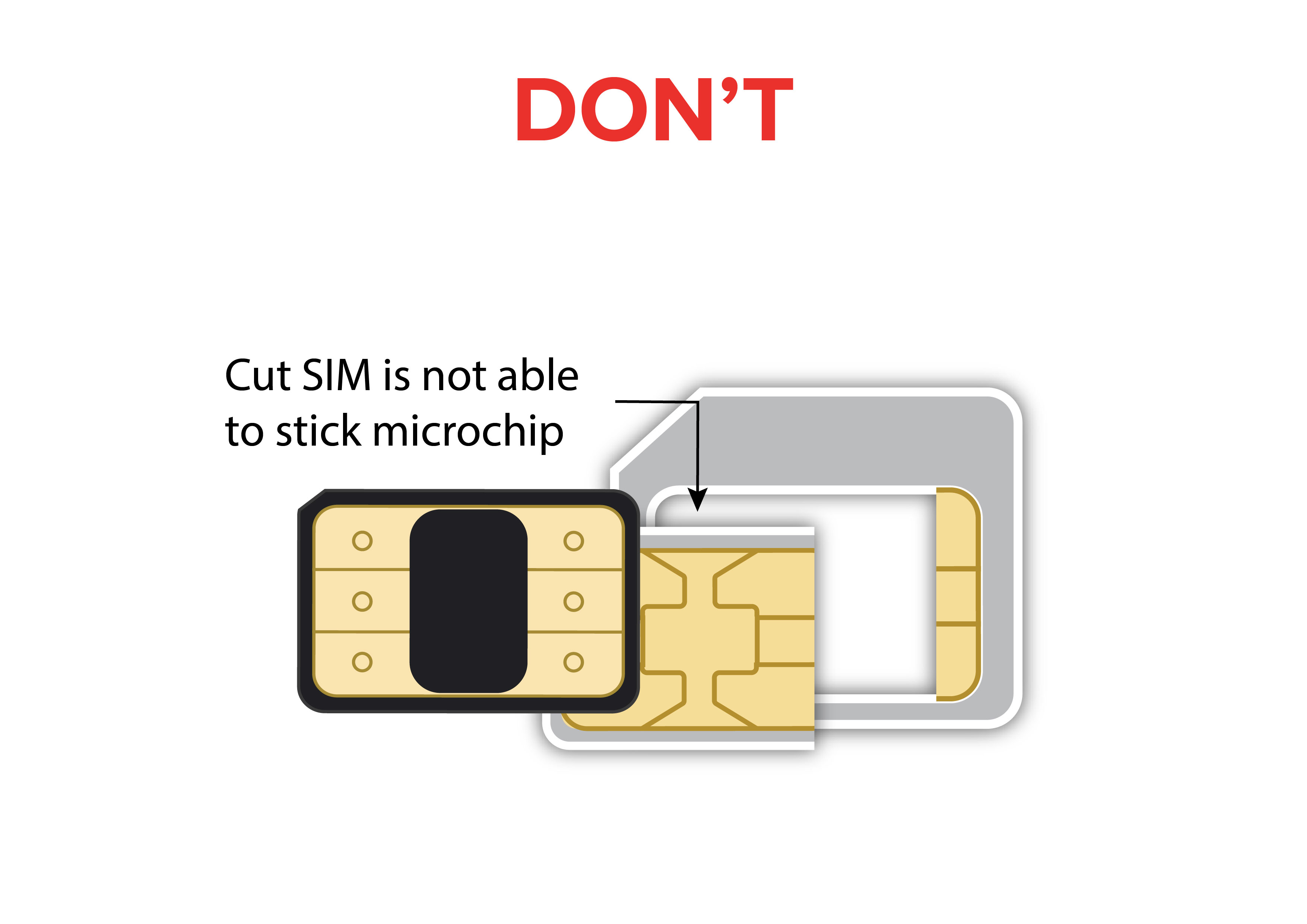
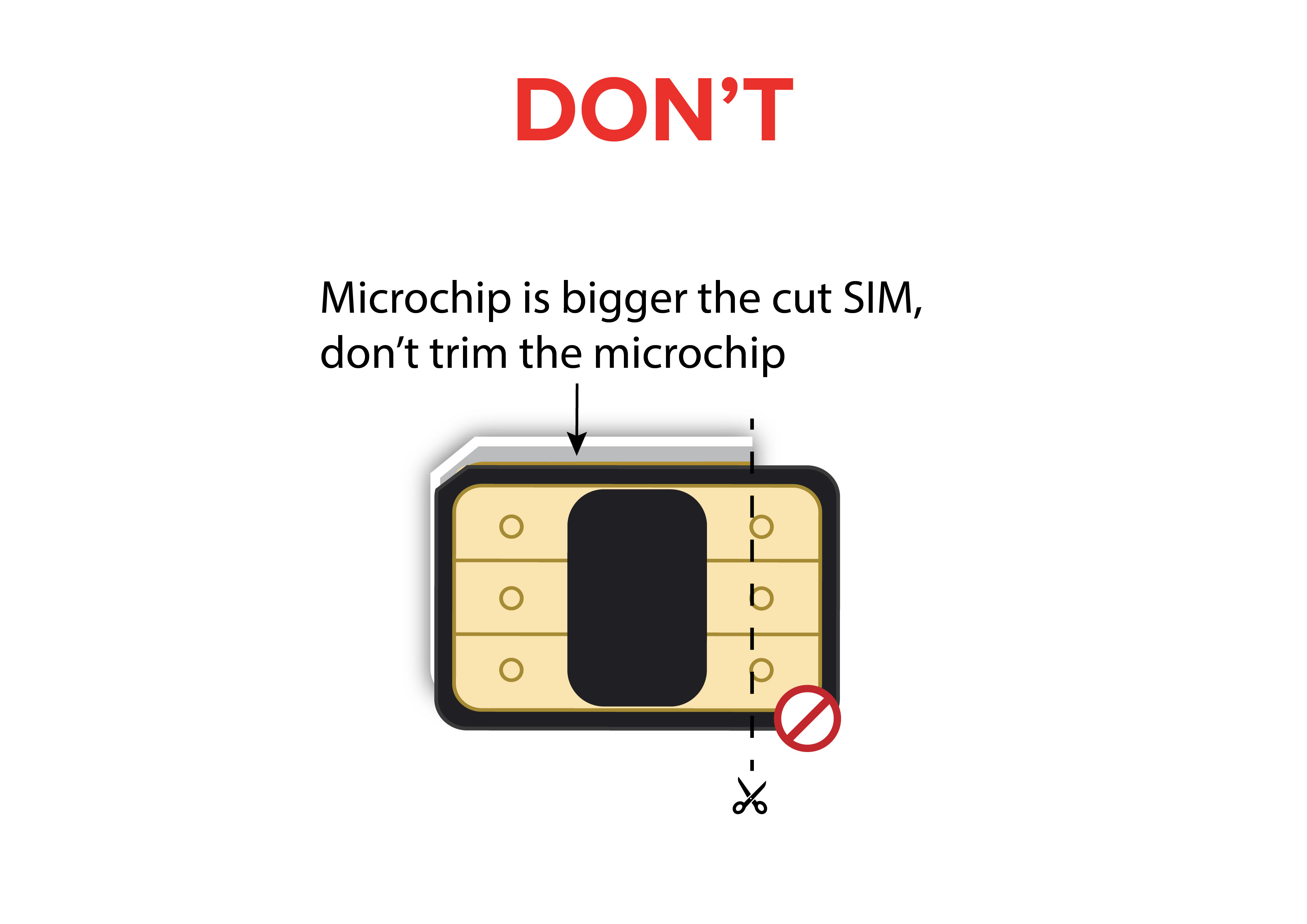
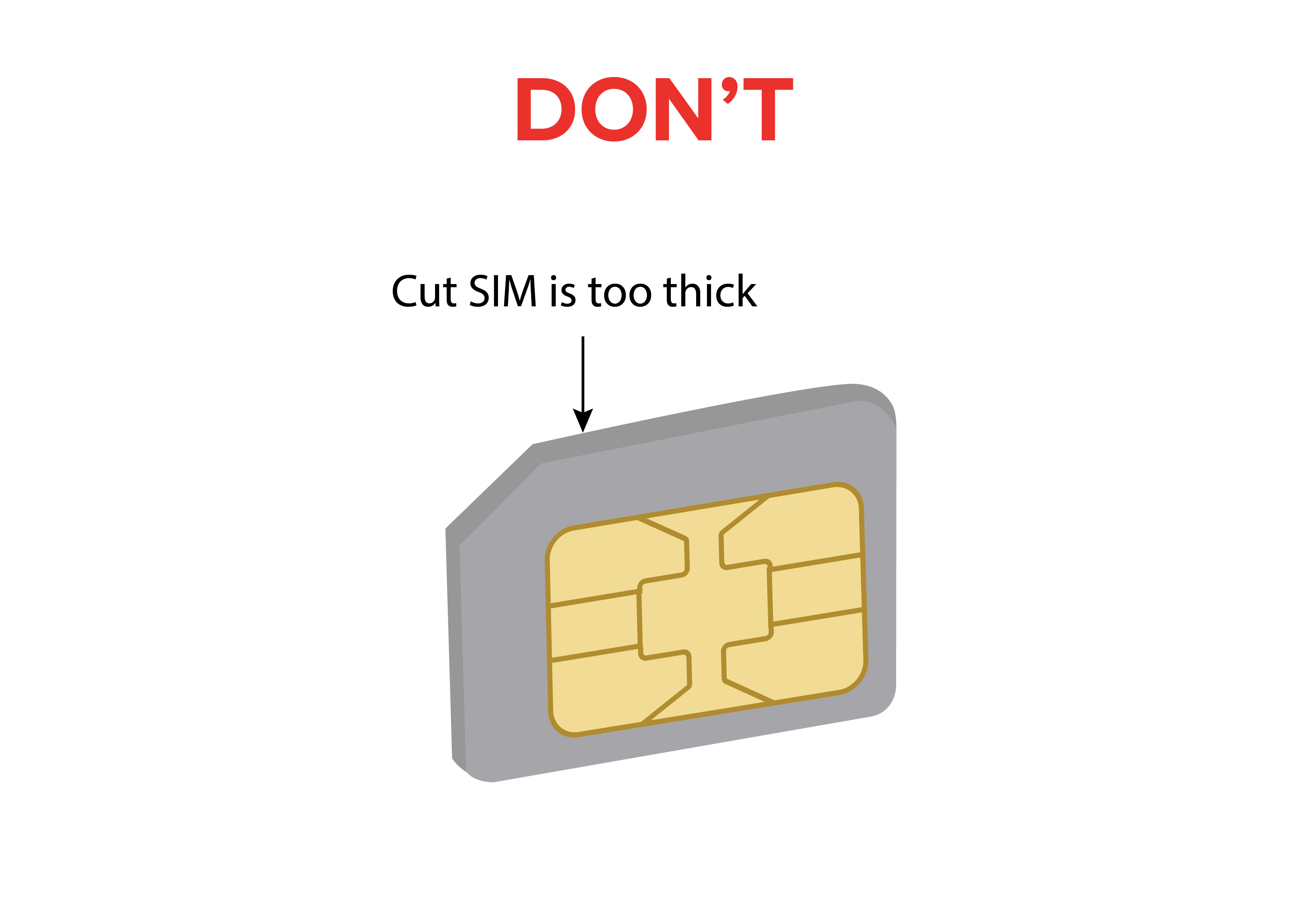
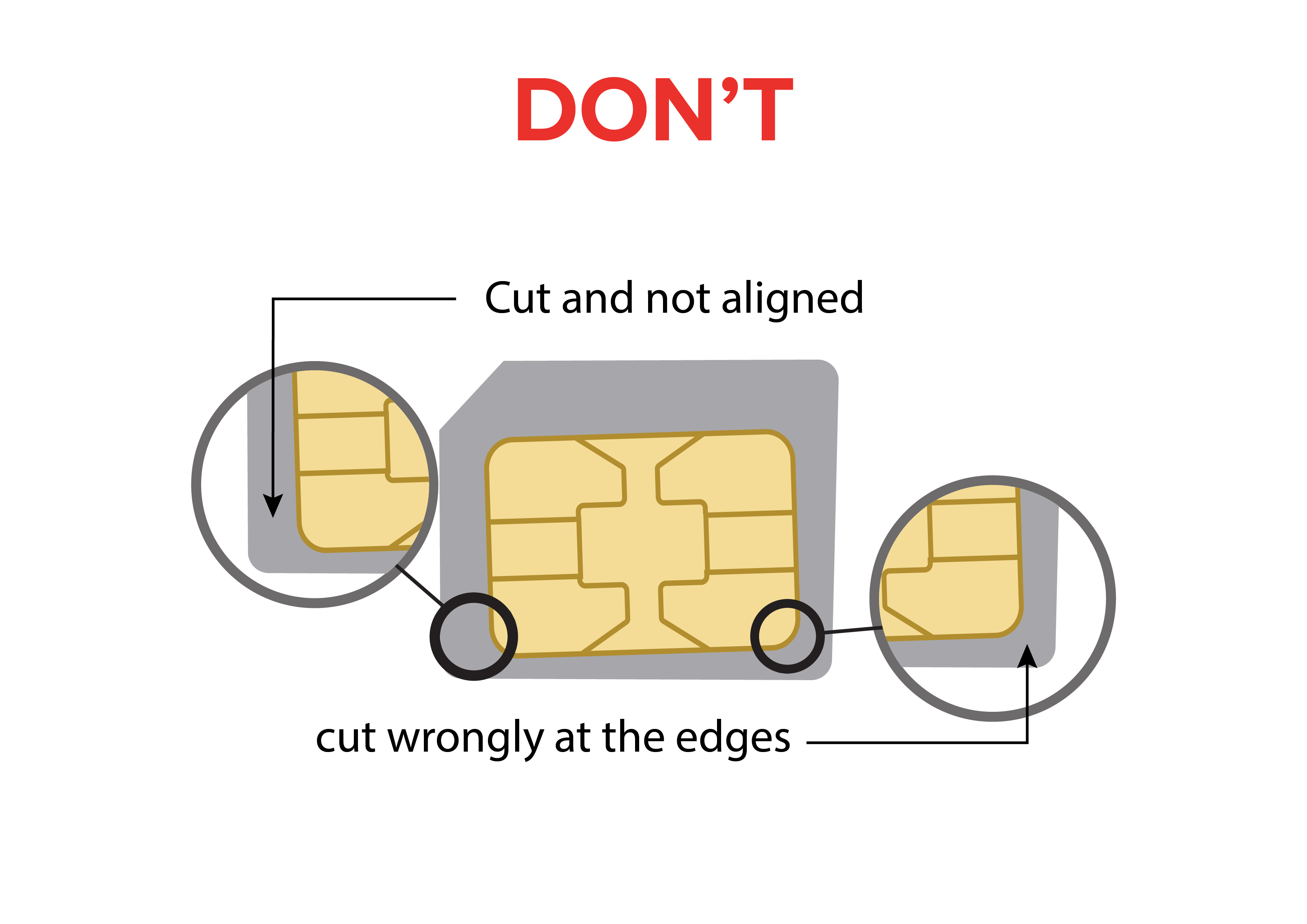
Physical SIM cards themselves were fragile, fiddly things. Phone manufacturers kept shrinking SIM trays — from standard to micro to nano — and customers would try to cut their SIMs down to fit, often destroying them in the process. Crumpled contacts, misaligned chips, cards cut too thick for the tray — we saw it all.
In 2013, we briefly accepted Bitcoin via Mt. Gox for 1,000-baht top-up credit — probably one of the first crypto payment options in Thai telecom.

Thailand’s mobile industry evolution moved fast. True Move migrated to True Move H in 2012 (new spectrum, new SIMs, incompatible with the old network). AIS and DTAC rolled out 2100 MHz 3G in 2013. The DTAC Happy Tourist SIM launched at 299 baht — 7 days of 3G plus 100 baht call credit — and became the standard tourist SIM at airports nationwide. It was also our highest-volume wholesale product.
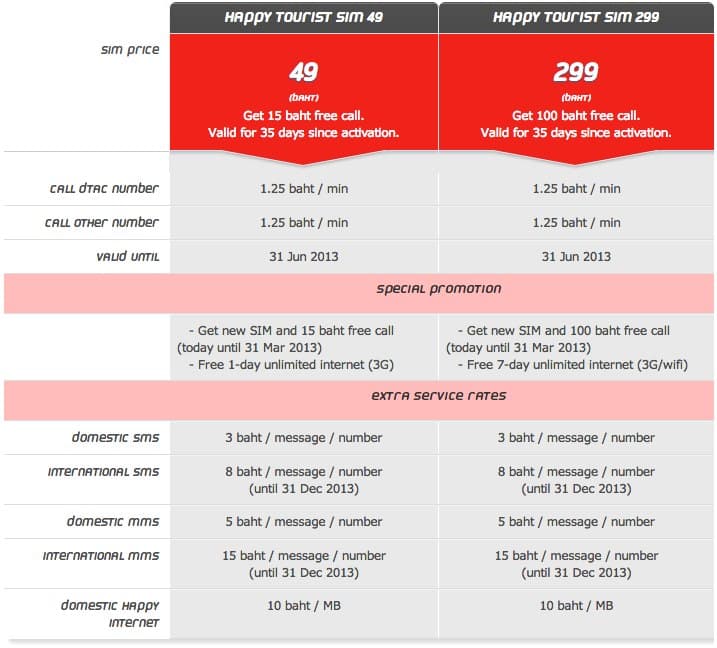
By 2013, the operation had scaled from one person scratching PIN cards to a wholesale distributor shipping SIMs to airport retailers and phone rental businesses internationally. Vivid Productions Co. Ltd., the company behind the site, went on to become a master reseller with AIS — direct API access for top-ups and credit delivery. Over the years, Vivid Productions has processed millions of top-up payments for prepaid users of Thai SIM cards, both locally and abroad.
That growth eventually led to dedicated successor sites — MobileTopup.com for direct-to-phone credit, ThaieSIM.com for eSIMs, and eSIM2Fly.com — where the services continue today.